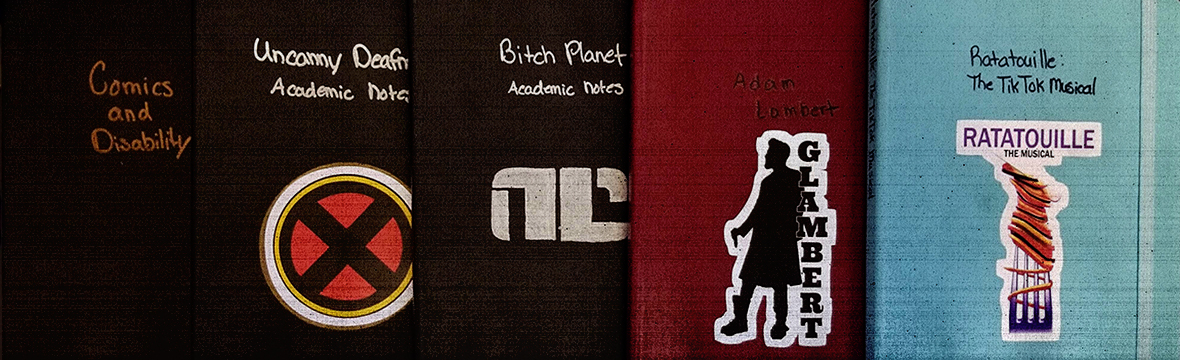
Around a month from now, I’ll be presenting “SuperTropes: Finding the difference between Narrative Prosthesis and Introduction to Disability in Marvel Comics” at the Comics and Popular Arts Conference (CPAC) at DragonCon in Atlanta, GA. I submitted it in my continuing side project of looking at representation of disability in superhero comic books. I kept getting stuck, feeling like it was just too simple, not deep enough. Then I realized why I was stuck. Today I wrote up the following:
Studying comics, as many of us here know, is a complicated task. There is plenty of work done analyzing and studying texts. Yet, a comic book is more than the text. There is plenty of work studying and analyzing images. Yet, a comic book is more than an image. There is plenty of work on film and television. Yet, despite its similarities, a comic book is more than this. While there is a growing body of scholarship that addresses these gaps and overlaps, that scholarship has yet to reach Disability Studies. Most scholarship in Disability Studies addresses representation in texts or images or film and television. But there are still gaps. This is my attempt to start to address those gaps. There is scholarship that looks at disability in comic books, but it is through the lens of the symbolic. What do super-beings symbolize and how does disability change that? I’m not interested in that. I’m interested in how the portrayal of disability in the genre of superhero comic books represents different disabilities to readers. Are they relying on tropes to convey disability or are they going for a realistic portrayal? How has this changed over time as disability rights and Deaf Culture come out from the shadows they were put in by society, allowing those of us who are not a part of it to learn more and change our own lenses through which we view them?
I am going to build from that for my presentation. It also finally clarified what I’m doing with all of this. Even when I’m looking at Oracle and Hawkeye, this is what I am doing. It’s simply that with them, there is less for me to read, which means I’m more familiar with them. Same thing with Echo. This presentation is looking at Professor X, Daredevil, and Echo. All three have disabilities, but they all have different backstories and different ways they are portrayed in the comics. I’m glad I’m sticking with these three, but I’m also relieved to finally know how all of this is going to fit together. Now to get the presentation finished up before I need to make it!

 Deviate from the Norm